From the journal
Tutorials
A closer look.
Step-by-step tutorials and how-to guides for AI workflows

Tutorials
How to Build a Faceless YouTube Channel With HeyGen + ElevenLabs + Descript
A step-by-step faceless YouTube workflow: script for the ear, build one narrator voice in ElevenLabs, give it a recurring HeyGen Avatar 6 host, edit in Descript, and pass YouTube's originality and AI-disclosure rules. Prices checked 21 Nov 2026.
Nov 21, 202619 min read

Tutorials
25 Best Nano Banana 2.1 Prompts for Product & Fashion Shots
25 copy-ready Nano Banana 2.1 prompts for ecommerce packshots, lifestyle scenes, label-accurate packaging, virtual try-on, lookbooks and campaign edits, built on Google's own prompting guide, with current API pricing and reference-image tips.
Nov 18, 202627 min read
Tutorials
How to Build an AI UGC Ad Factory: Arcads + HeyGen + ElevenLabs
A step-by-step AI UGC ads workflow: turn one brief into a hook matrix, script it for AI actors, voice it in ElevenLabs, batch-test in Arcads, add product-in-hand cuts in HeyGen, and localize only the winners, with real credit math.
Nov 14, 202616 min read
Tutorials
MCP Elicitation Explained: Form Cards in Claude Code Cloud Sessions
MCP elicitation lets a tool server pause and ask you for input. Here is how form and URL modes work, what the new Claude Code cloud session form and link cards do, and how to automate or secure the answers.
Nov 13, 202616 min read
Tutorials
Claude Code /code-review & Claude Security Plugin: A Practical Walkthrough
Claude Code has two review tools people mix up: /code-review finds correctness bugs on any plan, and the Claude Security plugin runs a multi-agent vulnerability scan that hands you patches. Here are the commands, flags, 2.1.316 findings cards, costs and a weekly routine.
Nov 10, 202619 min read
Tutorials
Claude Code Subagent Effort & ultrathink: Tuning Cost vs Quality
Claude Code 2.1.316 added CLAUDE_CODE_SUBAGENT_EFFORT, so subagents no longer have to copy your session's effort level. Here is every subagent effort control, which one wins, where ultrathink fits, and a low-explore, xhigh-verify setup that spends tokens where they matter.
Nov 10, 202617 min read
Tutorials
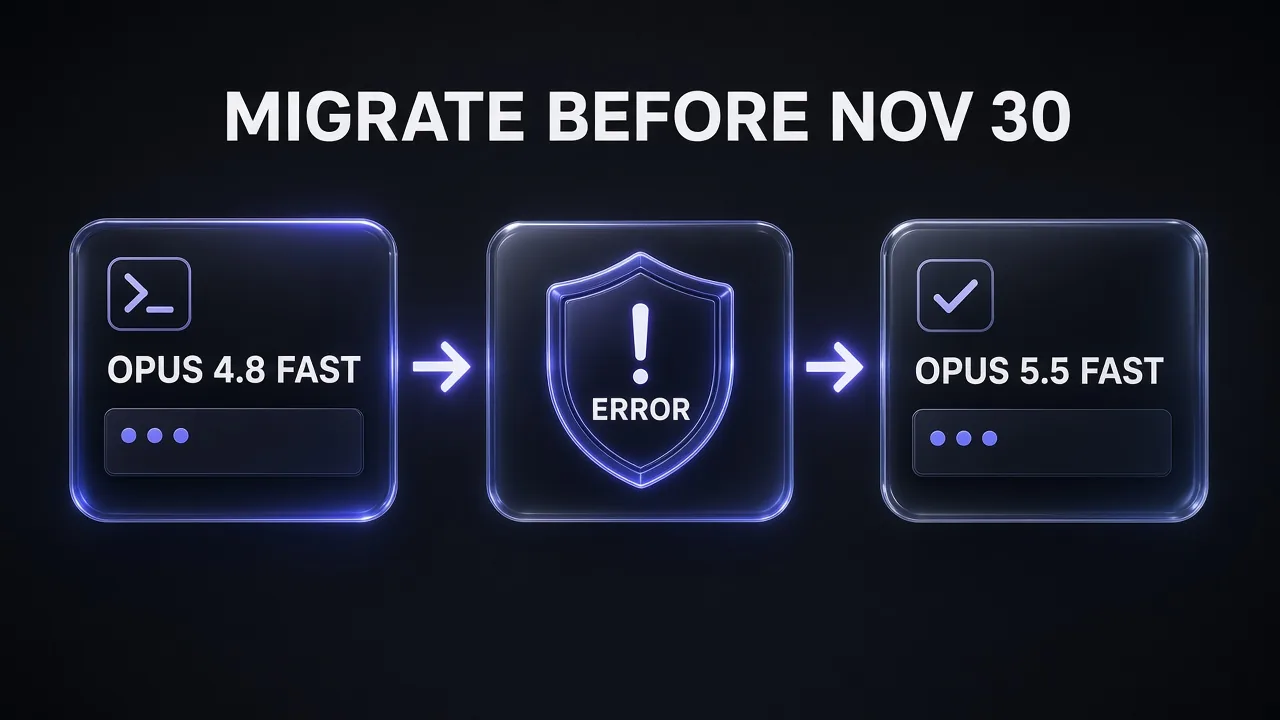
Opus 4.8 Fast Mode Ends Nov 30: How to Migrate Claude Code to Opus 5.5
Opus 4.8 fast mode is deprecated and removed on November 30, 2026 with no fallback to standard speed. Here is how to migrate Claude Code and API callers to Opus 5.5 before requests start erroring.
Nov 6, 202615 min read

Tutorials
25 Best GPT-6.1 Terra Prompts for Computer Use & Office Work
25 copy-ready GPT-6.1 Terra prompts for computer use and office work: form filling, invoice entry, browser admin, screen and chart reading, spreadsheets, proposals, decks and API automation, each with the right reasoning effort and built on OpenAI's own guidance.
Nov 5, 202628 min read
Tutorials
20 Prompts to Turn design.md Into Production Components
20 copy-ready prompts that take a design.md from file to finished components: read the spec, map tokens to CSS variables and Tailwind, build buttons, forms and dialogs with every state, then audit contrast, focus, target size and drift.
Oct 30, 202628 min read
Tutorials
design.md Marketplace Guide: Ship Consistent UI With AI Coders
How to take a design system from the Promptsrush design.md marketplace to a matching first screen: pick, preview in light and dark, copy the tokens and design.md into your repo, and wire it into Claude Code or Cursor, with three copy-ready prompts.
Oct 30, 202618 min read

Tutorials
How to Build a RAG Pipeline Without Hallucinating Sources
A step-by-step RAG tutorial for answers that are actually sourced: clean ingestion, contextual chunks, hybrid search and reranking, Claude search result citations, a code-level citation check and faithfulness evals, plus three copy-ready prompts.
Oct 29, 202618 min read
Tutorials
Firecrawl + Claude: Scrape, Clean and Write From the Web
A step-by-step workflow for researching with Firecrawl and Claude: connect it to Claude or Claude Code, search, scrape pages to clean Markdown, trim the noise and write a cited draft, with credit costs, context limits and three copy-ready prompts.
Oct 29, 202618 min read
Tutorials
How to Caption, Chapter and Repurpose YouTube Videos With AI
Turn one long YouTube video into accurate captions, valid chapters, Shorts, a blog post and social posts. A step-by-step AI workflow with Whisper, ElevenLabs Scribe, Descript and OpusClip, plus three copy-ready prompts.
Oct 28, 202618 min read
Tutorials
How to Build Multi-Agent Workflows With Gemini Managed Agents
Gemini Managed Agents can't nest subagents yet, so your code is the orchestrator. Learn to save specialist agents, run them in parallel, hand off files between sandboxes, and add hooks, budgets, triggers and webhooks.
Oct 27, 202619 min read

Tutorials
How to Build Multi-Agent Workflows With Claude Code
A step-by-step guide to multi-agent workflows in Claude Code: specialist subagents, the orchestrator, pipeline and parallel patterns, git worktrees, hooks, agent teams and dynamic workflows, with current limits from Anthropic's docs and three copy-ready prompts.
Oct 27, 202617 min read

Tutorials
How to Write AGENTS.md and CLAUDE.md Files That Actually Work
A six-step guide to AGENTS.md and CLAUDE.md files coding agents actually follow: how Claude Code, Codex, Cursor and Copilot load them, what to put inside (commands, conventions, boundaries, gotchas), and a copy-ready template.
Oct 25, 202619 min read
Tutorials
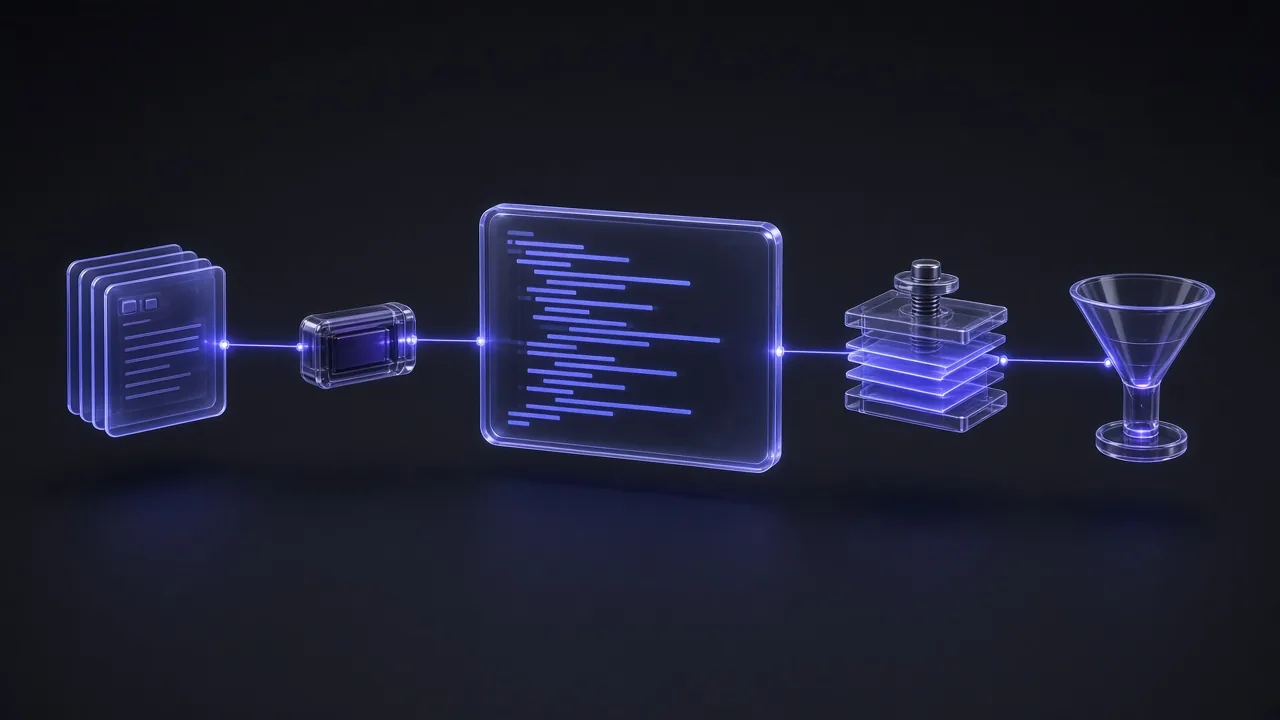
12 Context Engineering Patterns for Claude Code Agents
Most Claude Code slowdowns are context problems. Here are 12 context engineering patterns, grouped into write, select, compress and isolate, each tied to a documented Claude Code feature: CLAUDE.md, rules, skills, hooks, /compact, /clear and subagents.
Oct 24, 202619 min read
Tutorials
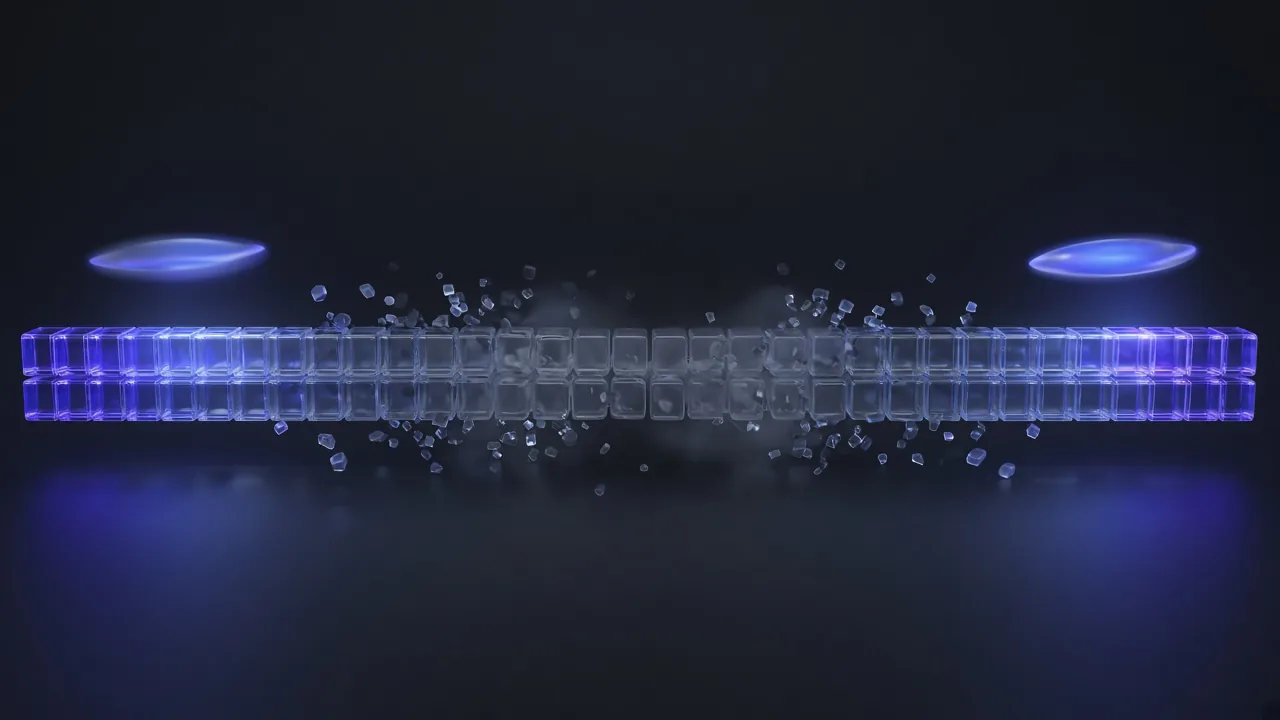
What Is Context Rot? Why Long Context Fails (and How to Fix It)
Context rot is the quiet accuracy drop LLMs show as their context window fills. Here's what Chroma's research and Lost in the Middle actually found, how to spot it in your agents, and four fixes that work: compact, retrieve, isolate and prune.
Oct 24, 202618 min read
Tutorials
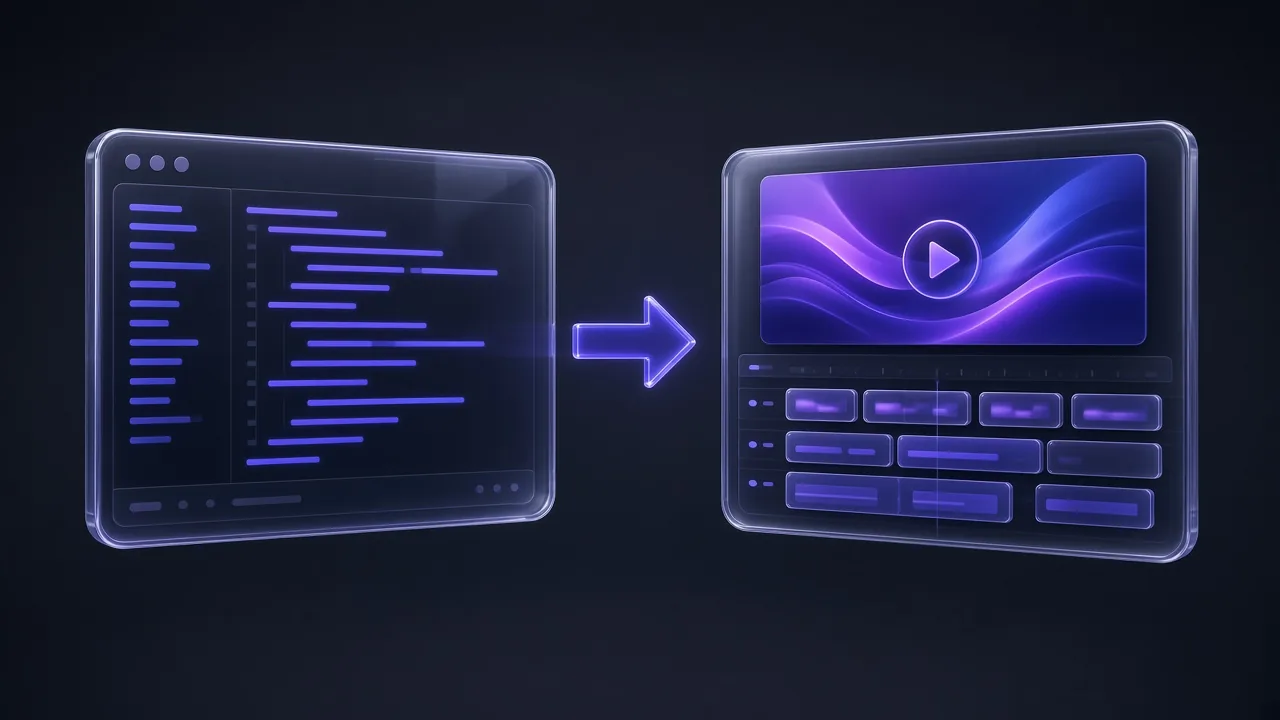
How to Build a Remotion Video With Claude Code
A step-by-step tutorial for building a Remotion video with Claude Code: scaffold the project, install Remotion's Agent Skills, brief Claude scene by scene, iterate in Remotion Studio and render a props-driven MP4, with licence costs and the common pitfalls.
Oct 23, 202619 min read

Tutorials
How to Choose thinking_level and effort for Real Workloads
A practical method for picking Gemini's thinking_level and Claude's effort per workload: classify requests, start low within vendor guidance, measure thinking tokens and quality on your own traffic, then escalate only what fails, without breaking your cache.
Oct 22, 202619 min read

Tutorials
How to Use Claude Computer Use: Setup, Limits & Safe Workflows
A practical guide to Claude computer use: run Anthropic's reference container, call computer_toolset_20260801, build the agent loop, size screenshots so clicks land, control token costs, and lock it down with a sandbox, allowlist and human approvals.
Oct 21, 202620 min read

Tutorials
Best Grok Bot Use Cases & Workflow in 2026
10 practical Grok Bot use cases, 17 copyable prompts, and a complete workflow for turning a one-time task into a reliable recurring routine.
Oct 20, 202626 min read

Tutorials
Claude Prompt Caching Explained: Cut Agent Costs Without Losing Quality
How Claude prompt caching works, what cache writes and reads cost on Opus 5.5, Sonnet 5.5 and Haiku 5.5, where to put cache_control breakpoints, 5-minute vs 1-hour TTLs, and how to confirm cache hits in your agent's usage fields.
Oct 20, 202618 min read
Tutorials
How to Use Google Antigravity With Gemini 4 Argon
A step-by-step guide to running Gemini 4 Argon in Google Antigravity, built from Google's docs: which plans and surfaces support it, install commands for the App, CLI and IDE extensions, picking Argon, thinking levels and reviewing plans.
Oct 19, 202618 min read
Tutorials
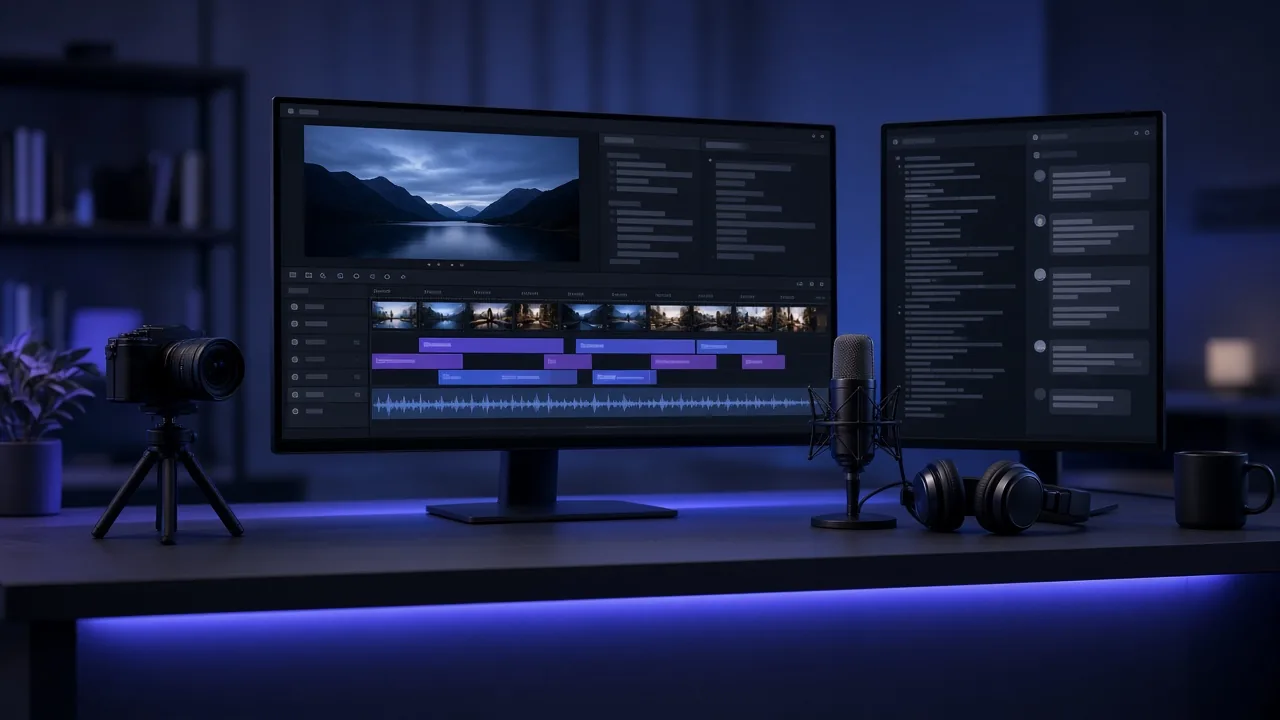
How to Edit Videos Using Claude in 2026: 4 Workflows That Work
Claude can't watch video, but it can edit it. Four real workflows: transcript rough cuts with Claude Code, Whisper and ffmpeg, Remotion and HyperFrames videos, Descript and DaVinci Resolve via MCP, and captions, chapters and shorts, with prompts and commands.
Oct 12, 202623 min read

Tutorials
How to Keep Characters Consistent in Kling AI Videos
Kling keeps a character consistent when you give it a reusable reference, not a description. The full Kling 3.0 workflow: character lock, turnaround references, Elements, anchor frames, Multi-Shot and end-frame chaining, plus prompts and a drift fix table.
Oct 11, 202627 min read
Tutorials
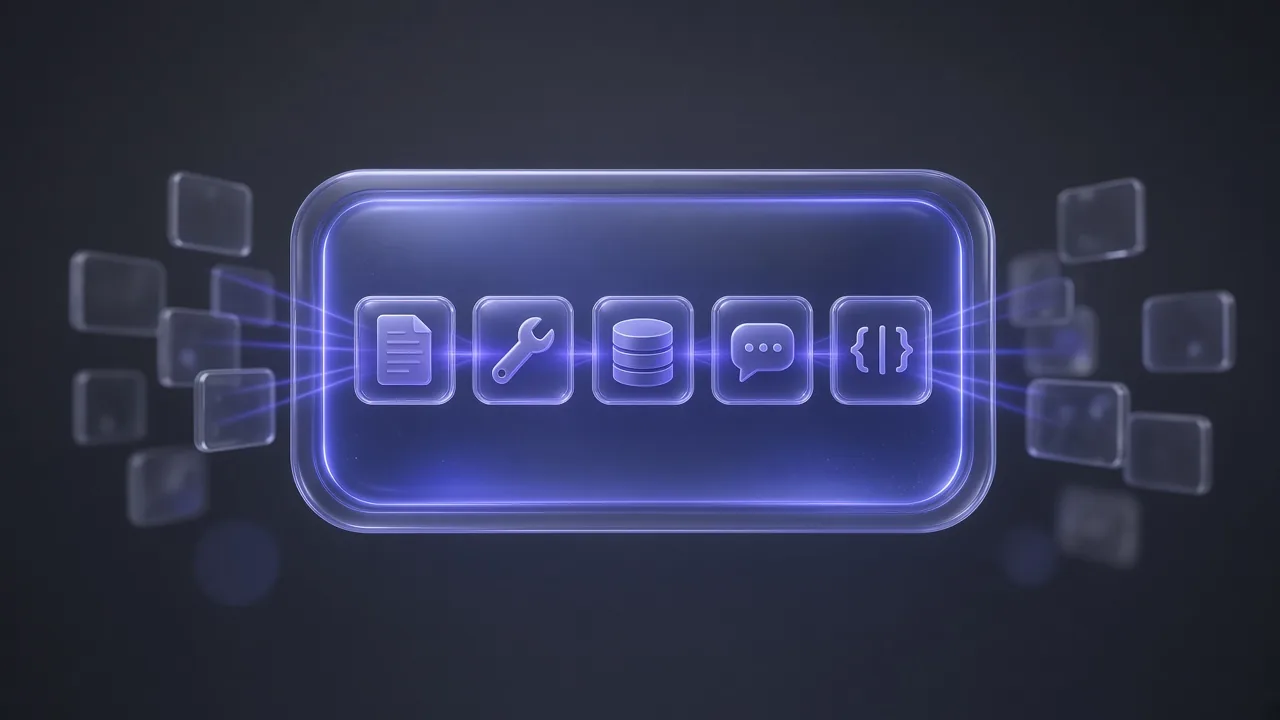
What Is Context Engineering? The Next Step Beyond Prompt Engineering
Context engineering decides what an AI model sees at every step: instructions, memory, retrieved docs and tool results. Learn how it differs from prompt engineering, the 4 core techniques, 5 ways context fails, and a step-by-step workflow.
Oct 7, 202624 min read

Tutorials
How to Turn a Product Idea Into a Landing Page With AI
A product idea doesn't need a product to get a landing page — it needs a page that measures whether anyone wants it. An 8-step AI workflow from raw idea to a live validation page, with a free tool stack and an honest way to read the result.
Oct 5, 202615 min read

Tutorials
18 Prompts to Audit Your Landing Page With AI
An audit is not an optimisation. 18 prompts that inspect your landing page across six layers — message, structure, evidence, friction, technical and reporting — and output a scored report with a prioritised fix queue.
Oct 3, 202613 min read

Tutorials
23+ Best 1980s, 85s, 90s AI Video Prompts
Retro AI video gives itself away through motion, not colour: gimbal glides, 60fps smoothness and drone shots that never existed. 26 prompts built from real film and camcorder behaviour, including image-to-video prompts that animate your 1985 time-travel photo.
Sep 14, 202621 min read

Tutorials
44+ Best 80s & 90s ChatGPT Image Prompts (2026)
The viral ChatGPT time travel trend, done properly: 14 identity-locked prompts that turn your own photo into a genuine 1985 or 1995 photograph, plus 50 text-to-image prompts built from real film stocks, flash and tape — not mood words.
Sep 11, 202643 min read
Tutorials
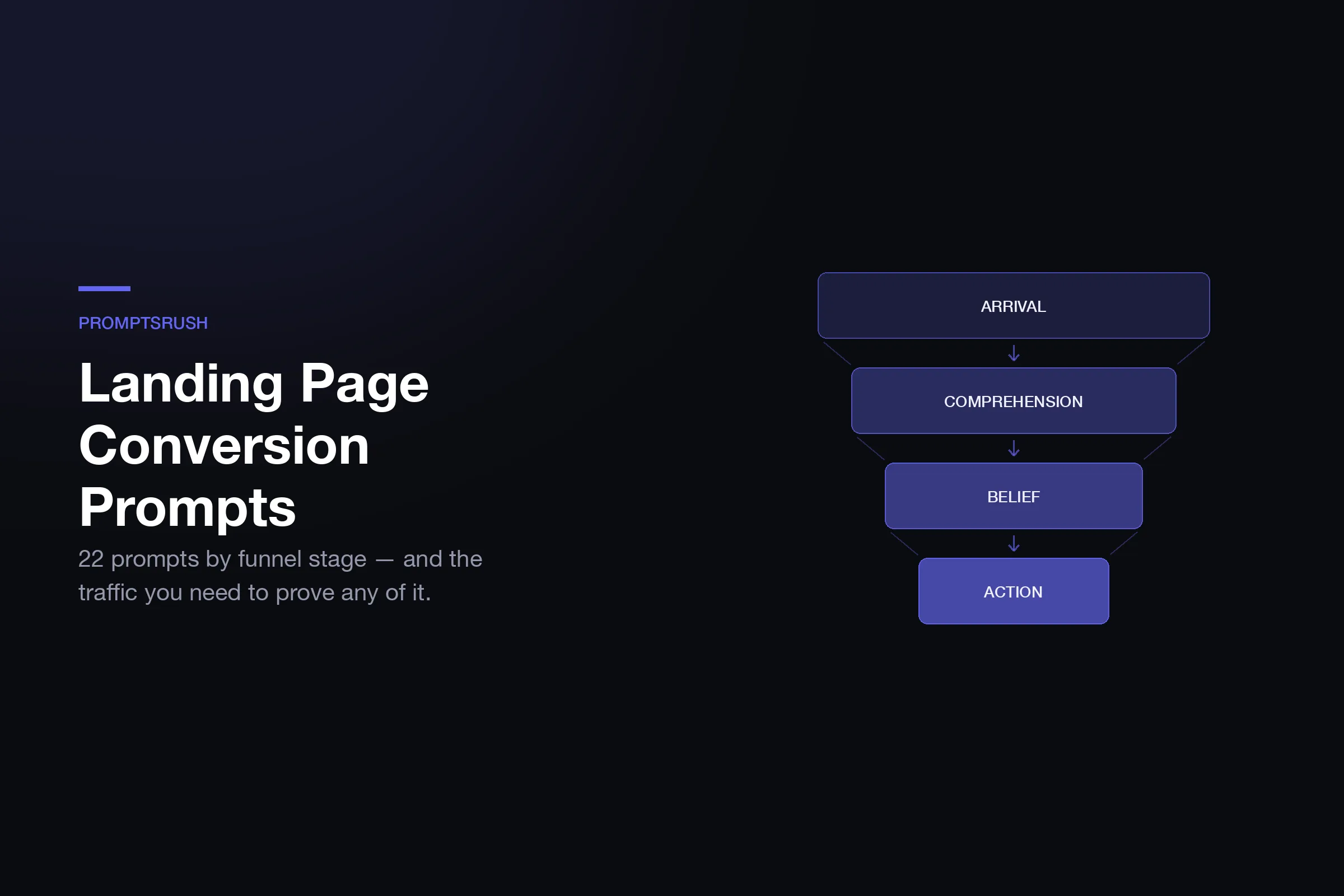
22 Prompts to Improve Landing Page Conversion Rates
Conversion and beauty are different objective functions. 22 prompts grouped by the funnel stage they fix — arrival, comprehension, belief, action — plus the traffic you actually need before any of it is measurable.
Sep 7, 202615 min read
Tutorials
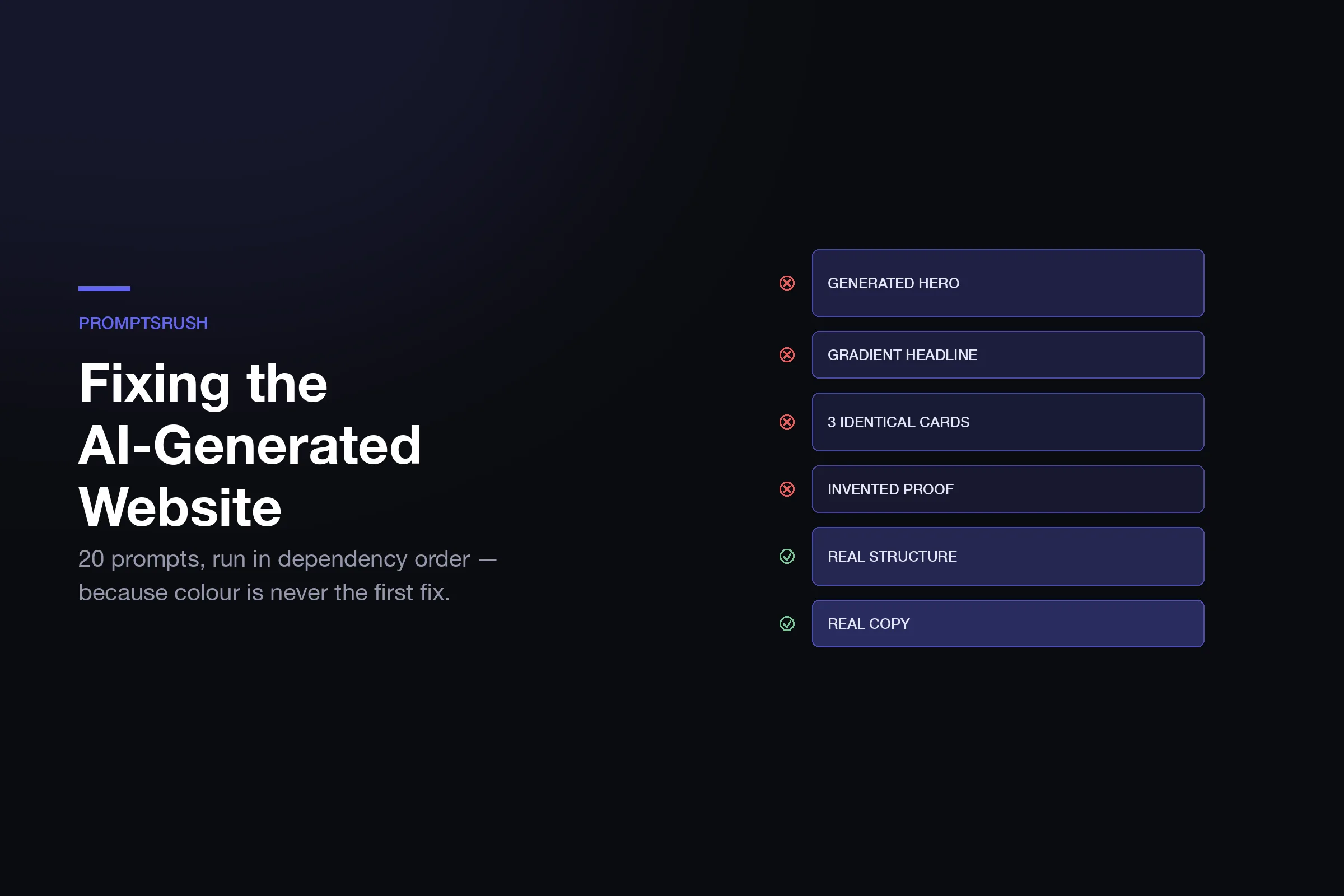
20 Prompts to Improve an Ugly AI-Generated Website
AI-generated ugly is a specific, finite, recognisable ugly — the same violet gradient, the same three cards, the same invented testimonials. Name the tells, then fix them in dependency order with 20 targeted prompts.
Sep 7, 202615 min read

Tutorials
How to Create a Landing Page using AI with Prompts
“Build me a landing page” fails because one prompt does four jobs at once. This is the four-stage workflow — 18 prompts from buyer research to published page — that produces copy worth shipping.
Sep 5, 202612 min read
Tutorials
50 Best Kling AI Prompts for Cinematic Videos
50 copy-paste Kling 3.0 prompts built on a six-slot shot structure — camera movement, lighting, Motion Brush, multi-shot sequences, lip sync and product work.
Sep 4, 202617 min read
Tutorials
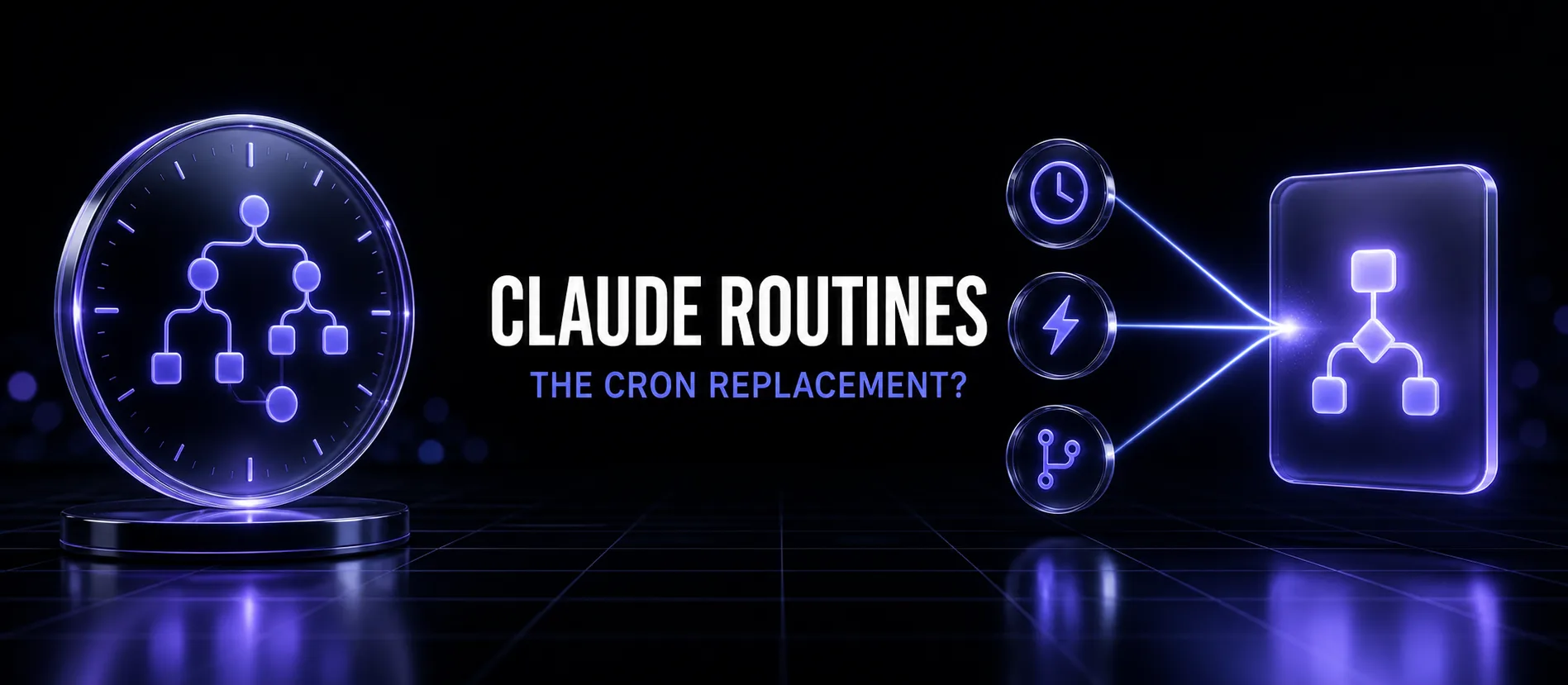
Claude Routines Explained: The CRON Replacement?
Routines run Claude Code on a schedule from Anthropic’s cloud — but with a one-hour interval floor, a 5–25 daily run cap and no exit code, they replace the work you never automated rather than your crontab.
Aug 29, 202611 min read
Tutorials
The Best GSAP AI Prompts 2026
28 prompts for generating GSAP 3 animation code that actually works — a syntax guard that stops AI emitting deprecated GSAP 2, plus ScrollTrigger, React cleanup, plugins, performance and accessibility.
Aug 19, 202630 min read
Tutorials
How to Use ChatGPT for Content Creation
The 7-step ChatGPT content workflow we actually use — ideation, research, outlining, drafting in your voice, editing, visuals, and repurposing — with copy-paste prompts for every step.
Jul 12, 20269 min read

Tutorials
How Design.md Improves AI Coding Results
Why a single design.md file is the highest-leverage upgrade for AI coding: the five mechanisms behind the improvement, what to include, and the prompts to use it right.
Jul 5, 202611 min read
Tutorials
Free AI Image Generation in the Terminal: ChatGPT Plus + Gemini Guide
Generate AI images for free from your terminal using your ChatGPT Plus/Pro subscription, Gemini Nano Banana, and GPT Image 2 — one command, no browser.
Jun 12, 202613 min read
Tutorials
How to Use Claude Code for FREE: The Complete 2026 Guide
How to run Claude Code for free in 2026 using a local proxy, free provider tiers, and local models. Setup steps, routing strategy, and the real trade-offs.
Jun 12, 202614 min read
Tutorials
How to Create a UI Design Skill Using design.md
A step-by-step tutorial on building a UI Design Skill — design tokens, components, accessibility, voice — using a design.md file that AI agents auto-invoke.
Jun 12, 202619 min read
Tutorials
AI Skills vs Prompts: What's the Difference?
A clear explanation of how AI Skills differ from prompts, when to use each, and how Skills are quietly changing how teams ship AI in 2026.
Jun 11, 202619 min read
Tutorials
Best Midjourney Prompts for Creators in 2026
Ten copy-paste Midjourney prompts for creators — product shots, thumbnails, brand portraits, and more — plus the parameter cheat sheet that makes them work.
Jun 8, 20268 min read
Tutorials
How to Write Better design.md Files
A good design.md turns Claude, Cursor, or v0 into an on-brand teammate. What to put in one, the rules that make it work, and a copy-paste template.
Jun 8, 20267 min read
Tutorials
How to Create Your First Claude Skill: A Step-by-Step Tutorial
Build a working Claude skill from scratch — plan it, write the SKILL.md and frontmatter, add a script, test it in Claude Code, and publish it to the marketplace.
May 31, 20269 min read
Tutorials
What Are AI Skills and How to Use Them (2026 Guide)
A plain-English guide to AI skills (Agent Skills): what they are, how the SKILL.md format and progressive disclosure work, and how to use them across Claude, Claude Code, and the API.
May 31, 20269 min read
Tutorials
How to Generate Luxury Brand Creatives With ChatGPT (2026 Workflow)
The exact workflow we use to produce luxury brand creative with ChatGPT — 8 battle-tested prompts for hero portraits, editorial lifestyle scenes, campaign headlines, brand voice and video direction. Copy & ship straight into OpenArt, Hedra and Genspark.
May 19, 202616 min read
Tutorials
How to Create Viral AI Shorts Using Seedance 2
The exact 5-step pipeline we use to ship viral AI Shorts with Seedance 2 — copy-ready prompts, the four tools that finish the job, and the patterns that keep popping.
May 19, 202615 min read
Tutorials
Best Nano Banana 2 Fashion Photography Prompts
Master AI fashion photography with 12 hand-crafted Nano Banana 2 prompts — editorial, streetwear, studio, vintage, beauty and avant-garde — plus the tools to take them further.
May 18, 20269 min read
Tutorials
How to Create an AI Avatar for YouTube in 2026 (Full Workflow & Tools)
A complete, tested workflow for building an AI avatar for YouTube in 2026 — from picking the right image model, to voice cloning, animation, editing and SEO. The exact process we use at PromptsRush, with tool comparisons and a clear final verdict.
May 18, 202617 min read
Tutorials
How to Use Superprofile to Automate & Grow Your Instagram in 2026
A complete guide to using Superprofile AutoDM to automate Instagram engagement, generate leads, and grow your following. Plus, learn how to combine it with PromptsRush for maximum creator growth.
Mar 4, 202613 min read
Tutorials
How to Share Prompts and Grow Your AI Social Handle in 2026
Learn how to share password-protected AI prompts, use Auto DM strategies, and build a thriving AI creator brand on Instagram and YouTube. A complete step-by-step guide for creators.
Mar 4, 202610 min read