The PromptsRush journalIdeas worth exploring
Stay curious.
Fresh perspectives, practical guides, and a closer look at the tools changing how we create.
All stories
185 articles to explore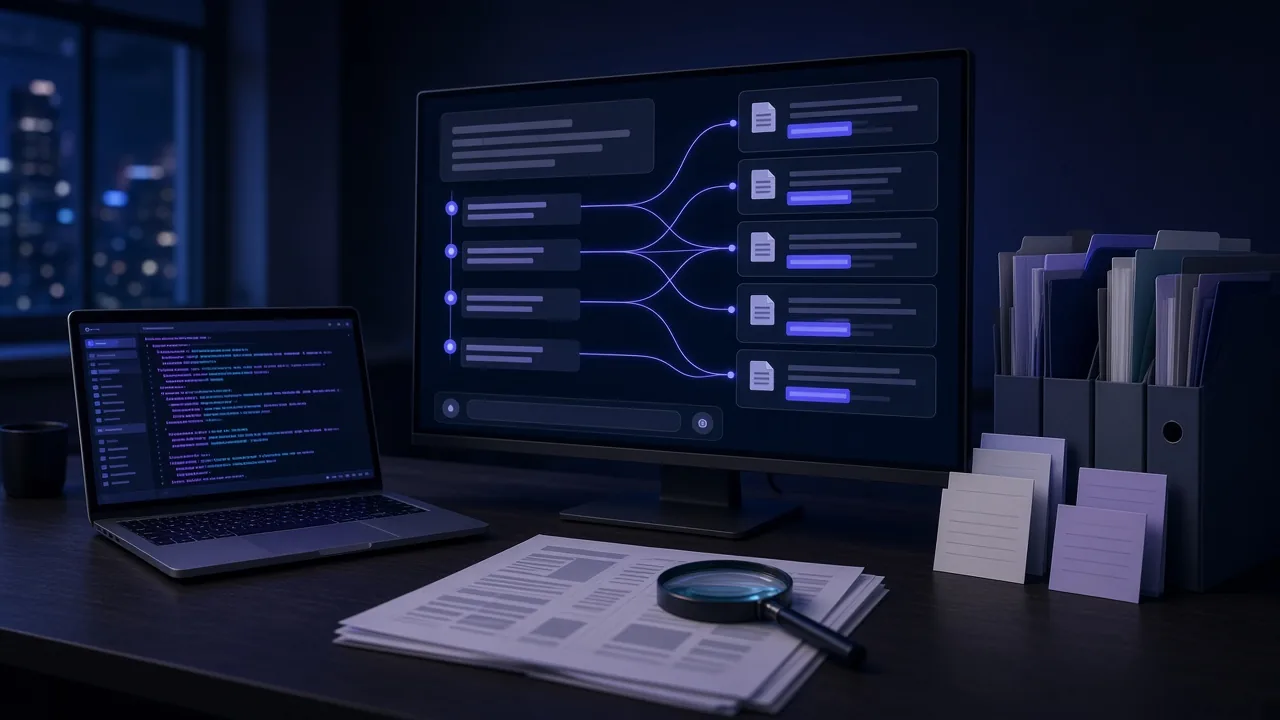
Tutorials
How to Build a RAG Pipeline Without Hallucinating Sources
A step-by-step RAG tutorial for answers that are actually sourced: clean ingestion, contextual chunks, hybrid search and reranking, Claude search result citations, a code-level citation check and faithfulness evals, plus three copy-ready prompts.
Oct 29, 202618 min read

Tutorials
Firecrawl + Claude: Scrape, Clean and Write From the Web
A step-by-step workflow for researching with Firecrawl and Claude: connect it to Claude or Claude Code, search, scrape pages to clean Markdown, trim the noise and write a cited draft, with credit costs, context limits and three copy-ready prompts.
Oct 29, 202618 min read

Tutorials
How to Caption, Chapter and Repurpose YouTube Videos With AI
Turn one long YouTube video into accurate captions, valid chapters, Shorts, a blog post and social posts. A step-by-step AI workflow with Whisper, ElevenLabs Scribe, Descript and OpusClip, plus three copy-ready prompts.
Oct 28, 202618 min read

AI Tools
Best AI Video Stack 2026: Kling + HeyGen + Claude + Descript
Claude writes the script, Kling generates the B-roll, HeyGen renders the presenter and Descript edits and captions. Here's what each tool does in the stack, which plan matters, which tool fits which shot, and what it all costs per month.
Oct 28, 202616 min read
Tutorials
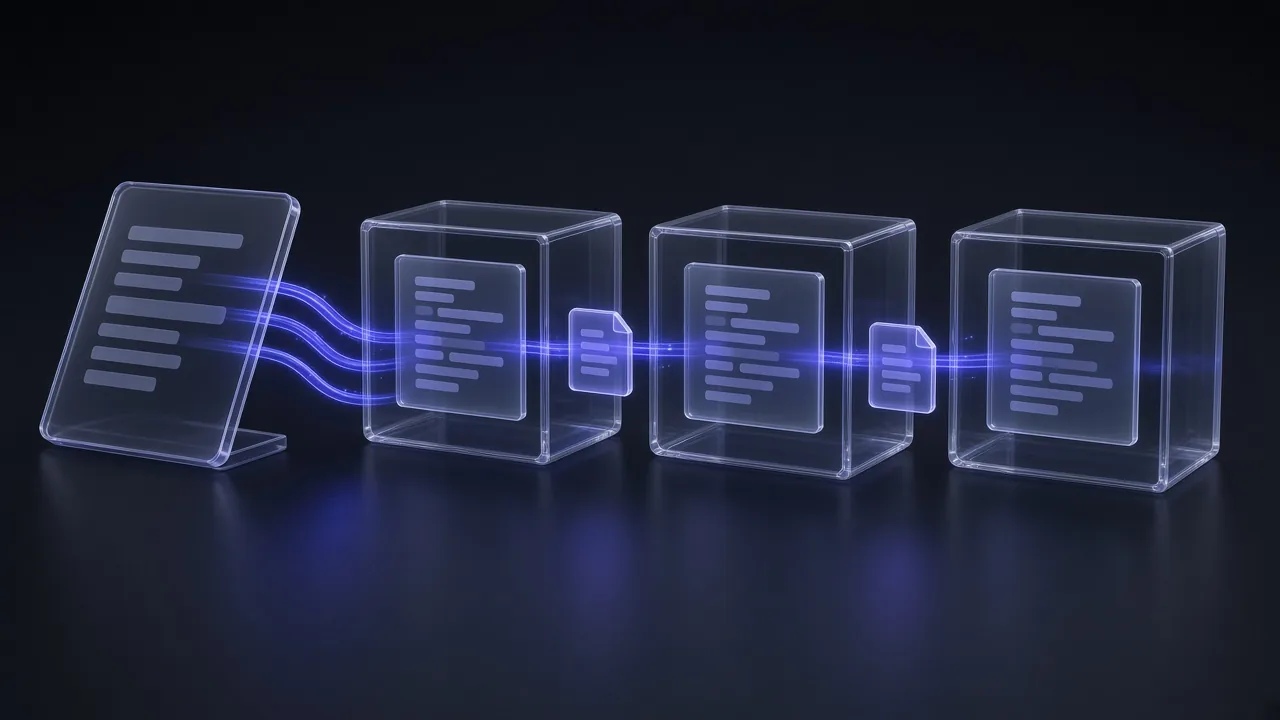
How to Build Multi-Agent Workflows With Gemini Managed Agents
Gemini Managed Agents can't nest subagents yet, so your code is the orchestrator. Learn to save specialist agents, run them in parallel, hand off files between sandboxes, and add hooks, budgets, triggers and webhooks.
Oct 27, 202619 min read

Tutorials
How to Build Multi-Agent Workflows With Claude Code
A step-by-step guide to multi-agent workflows in Claude Code: specialist subagents, the orchestrator, pipeline and parallel patterns, git worktrees, hooks, agent teams and dynamic workflows, with current limits from Anthropic's docs and three copy-ready prompts.
Oct 27, 202617 min read

AI Tools
Claude Opus 5.5 Pricing: Fast Mode, Caching & Batch Costs
Claude Opus 5.5 costs $4/$20 per million tokens. Fast mode doubles that, Batch halves it, and cache reads cost just $0.20. Here's every rate, caching break-even math, worked cost examples, plan prices and how it compares with Opus 5, Sonnet 5.5 and Gemini 4 Argon.
Oct 26, 202619 min read

AI Tools
Gemini 4 Argon Pricing Explained: Intro Rates, Plans & API Costs
Gemini 4 Argon costs $2/$10 per million tokens until November 30, then $4/$20. Here's every API tier, how thinking, caching and long decode change the bill, which Google AI plans include Argon, and how it compares with Claude Opus 5.5.
Oct 26, 202619 min read

AI Tools
Claude Skills vs MCP Tools vs Subagents: When to Use Each
Skills teach Claude how, MCP tools let it reach external systems, and subagents do noisy work in their own context window. Here's how each one loads, what it costs in context, and a simple framework for picking the right layer.
Oct 25, 202618 min read

Tutorials
How to Write AGENTS.md and CLAUDE.md Files That Actually Work
A six-step guide to AGENTS.md and CLAUDE.md files coding agents actually follow: how Claude Code, Codex, Cursor and Copilot load them, what to put inside (commands, conventions, boundaries, gotchas), and a copy-ready template.
Oct 25, 202619 min read

Tutorials
12 Context Engineering Patterns for Claude Code Agents
Most Claude Code slowdowns are context problems. Here are 12 context engineering patterns, grouped into write, select, compress and isolate, each tied to a documented Claude Code feature: CLAUDE.md, rules, skills, hooks, /compact, /clear and subagents.
Oct 24, 202619 min read

Tutorials
What Is Context Rot? Why Long Context Fails (and How to Fix It)
Context rot is the quiet accuracy drop LLMs show as their context window fills. Here's what Chroma's research and Lost in the Middle actually found, how to spot it in your agents, and four fixes that work: compact, retrieve, isolate and prune.
Oct 24, 202618 min read
Put it into practice