The PromptsRush journal
AI ToolsHeyGen Video Explained: Picture + Sound in One Pass, Pricing & Prompts
HeyGen Video (heygen-video-1) generates picture and synchronized sound in one pass. November rates, 5–30s clips, three modes, prompt examples and how it differs from Avatar and Video Agent.
Advertisement
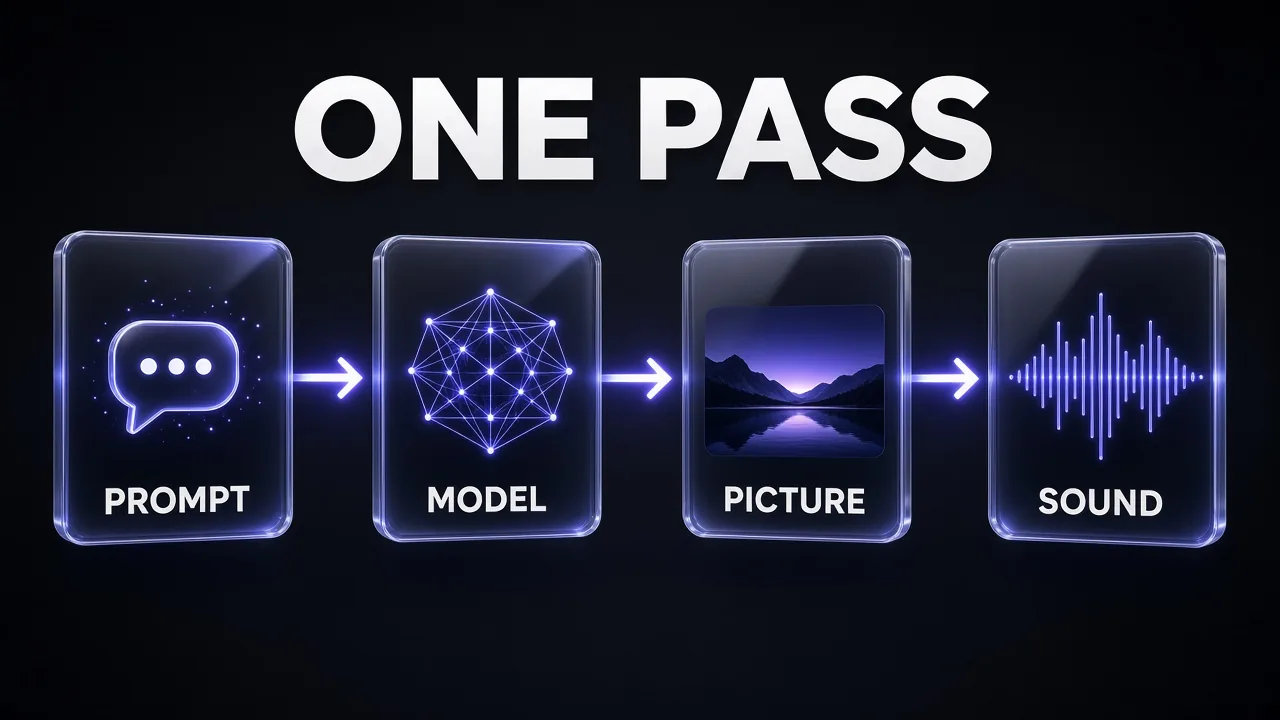
Short version: HeyGen Video is HeyGen's first general-purpose video model. One prompt produces a 5–30 second clip with picture and synchronized sound — dialogue, ambience and effects — in a single pass. Standard November pricing is $0.02 per second at 480p and $0.03 at 768p for text or image to video (reference mode is higher; 1080p and 2K bill at 3× the 768p rate). The October 50% launch promo is over.
Everything below comes from HeyGen's launch help article, developer docs for heygen-video-1, the model page, and HeyGen's own pricing write-ups, all re-checked on 6 November 2026. We haven't run our own generations for this post, so there are no "we tested" claims. If you already use HeyGen for avatars, see our HeyGen review and Avatar V vs Avatar 3 pricing guide for the presenter side of the stack.
HeyGen Video at a Glance
| Spec | Detail |
|---|---|
| Model ID | heygen-video-1 |
| Launched | 30 September 2026 (API / help centre date) |
| What it does | Generates a full scene — subject, setting, light and soundtrack — from a prompt |
| Modes | Text to video, image to video, reference to video |
| Clip length | 5–30 s for text/image with turbo or quality enhancement; 5–15 s for reference, ultraquality, disabled enhancement, or MCP |
| Resolutions | 480p, 768p, 1080p, 2K |
| Audio | Native: dialogue, ambience, SFX in the same MP4 (24 fps, stereo AAC) |
| Standard price (T2V/I2V) | $0.02/s at 480p · $0.03/s at 768p · 1080p/2K at 3× the 768p rate |
| Reference price | $0.04/s at 480p · $0.06/s at 768p (input video seconds + output seconds) |
| Access | HeyGen API (paid keys), Creative Studio, OpenRouter, Runware, ComfyUI |
| Base | Built on MiniMax H3, post-trained by HeyGen (per HeyGen docs) |
One minute of 768p text-to-video at the standard rate is $1.80. A 10-second draft at 480p is about twenty cents. That is the number that matters if you generate B-roll and product shots at volume.
What HeyGen Video Actually Is
Until autumn 2026, HeyGen's public story was avatars, voice cloning and agentic editing. HeyGen Video is a different product layer: a prompt-to-scene model in the same category as Seedance, Kling and Veo, not a talking-head renderer.
Honest answer: if you need a consistent person reading a script, stay on HeyGen Avatar (covered in our review). If you need a walnut table, a product bottle and the soft clack when it lands — with room tone baked in — HeyGen Video is the tool. HeyGen's own comparison post frames the three layers as complementary: Video for scenes, Avatar for presenters, Video Agent for end-to-end assembly.
The model invents the subject and setting. It does not animate a Digital Twin you already own. For putting a verified twin into a cinematic shot, HeyGen points you at Cinematic Avatar with model: "heygen_video_1" — a separate path from plain scene generation.
How Picture + Sound in One Pass Works
Most AI video stacks still assemble parts: one model draws frames, another voices lines, a third lip-syncs. HeyGen Video generates the soundtrack in the same call as the picture. The prompt can name room tone, a specific effect and its distance, or ban a music bed with a plain "no music".
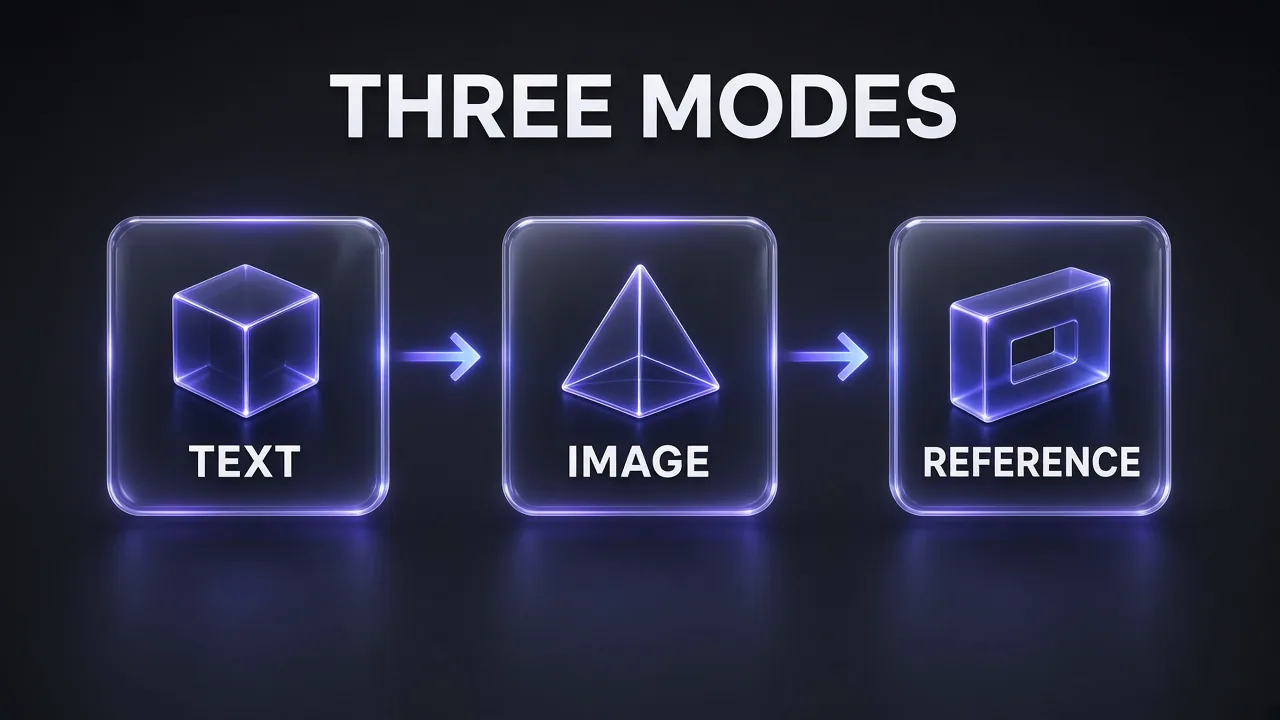
Three modes share one model id:
- Text to video — describe the shot; get a new scene with sound.
- Image to video — supply a still used as the literal first frame, then animate it.
- Reference to video — pass up to nine images, three videos and three audio files (15 total across lists in the current API docs) and address them in the prompt so a product's colour and markings survive.
Reference billing is the gotcha. Image and audio references do not add a reference charge, but every second of reference video counts alongside every second of output. A 10-second clip that also consumes 10 seconds of reference footage is not a 10-second bill.
Pro tip: Draft at 480p with a fixed seed, change one clause at a time, then re-render the same seed at 768p or 1080p once the shot is locked. Identical prompt + seed returns the same file within a deployment.
HeyGen Video Pricing (November 2026 Rates)
The 50% launch discount ended 31 October 2026. Use the standard list rates below unless HeyGen republishes a new promo.
| Mode | 480p | 768p | 1080p / 2K |
|---|---|---|---|
| Text or image to video (≤15 s band) | $0.02/s | $0.03/s | 3× 768p ($0.09/s) |
| Text or image to video, over 15 s | $0.045/s | $0.075/s | $0.105/s |
| Reference to video | $0.04/s | $0.06/s | $0.09/s |
Sources: HeyGen's Video vs Avatar vs Agent post and API docs for the $0.02 / $0.03 / 3× rule; help-centre table (updated 26 Oct 2026) for the over-15-second and reference rows. The help article's 1080p short-clip cells still show older single figures that conflict with the documented 3× multiplier — we follow the API docs on that point.
API usage runs on a prepaid wallet (HeyGen cites a $5 start). Creator ($29 / 600 credits) still covers Avatar and Video Agent minutes; HeyGen Video seconds are billed separately on the API meter. For the older credit-plan confusion around Avatar V, our 2026 pricing plan switch guide is still useful context, and both Avatar pricing posts need a refresh to add these per-second Video rates.
How HeyGen Video Compares on Price
My take: at 768p with native audio, HeyGen is pitching the volume tier. On the company's own cost-per-second roundup (26 Oct 2026), they list roughly:
| Model (vendor-cited tier) | Approx. $/sec | Notes |
|---|---|---|
| HeyGen Video 768p | 0.03 | Audio included |
| LTX-2.3 Fast 1080p | 0.04 | Cheaper if you must deliver 1080p |
| Veo 3.1 Fast 720p | 0.10 | Google Gemini API |
| Kling 3.0 (reseller figures) | ~0.13–0.17 | See our Kling pricing for subscription credits |
| Seedance 2.0 (HeyGen chart) | 0.303 | At 768p on their comparison |
Those rival numbers are what HeyGen published for the comparison, not a guarantee of today's reseller cards. Re-check Kling, Google and fal before you budget. For a stack view that mixes scene models with presenters, see our best AI video stack, the Kling vs Wan matchup, and the wider HeyGen alternatives list. Voice-first teams often split scenes here and dialogue on ElevenLabs.
Prompting HeyGen Video (With Copyable Examples)
HeyGen's docs are blunt: long prompts beat short ones, and naming a camera body, lens and aperture changes the image more than "cinematic". Budget spoken dialogue at about 2.5 words per second. Rule out logos and beauty filters explicitly or the model invents them.
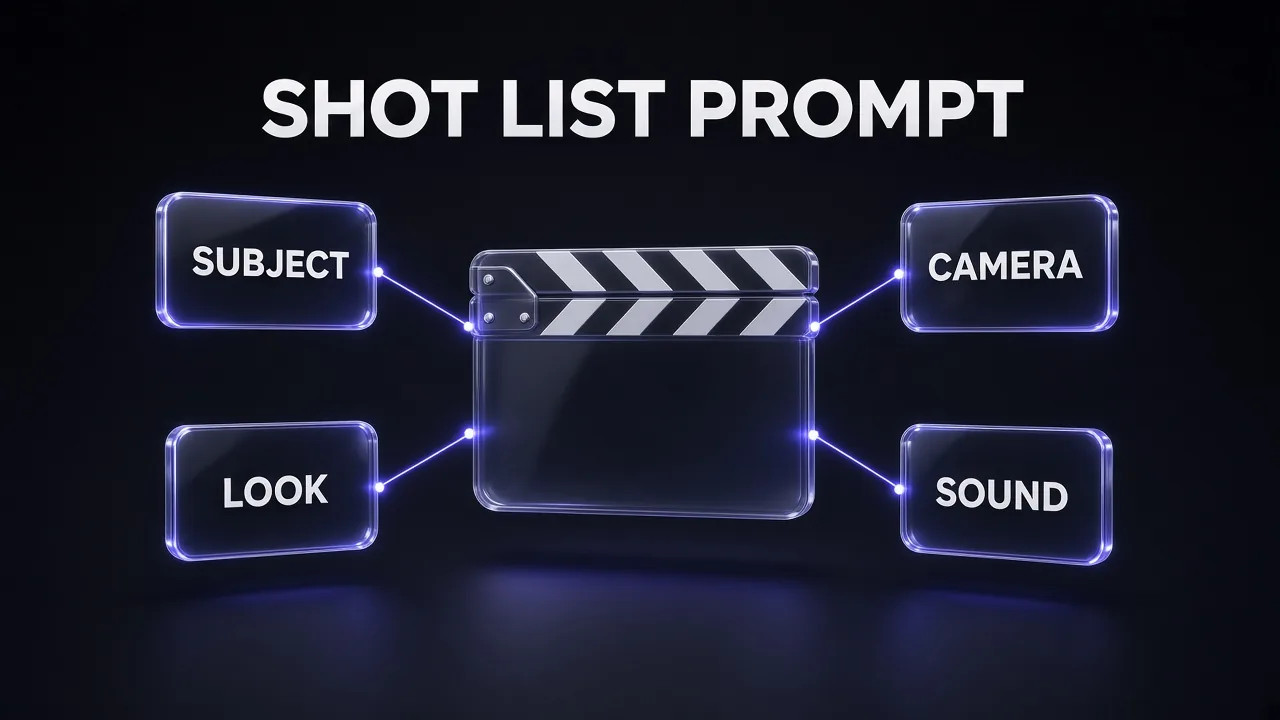
Here is a shot-list style prompt you can adapt for product B-roll:
Product Hero Shot (Picture + Sound)
A matte black glass bottle is set down gently on a walnut table at dawn. Soft window light from camera left, fine film grain, muted colour, no teal-orange grade. Shot on an ARRI Alexa Mini LF, 50mm T1.8, locked off on a tripod. One clear action: the bottle contacts the wood and settles. Sound: quiet room tone, a soft glass-on-wood clack timed to contact, no music, no logos, brand names or printed words anywhere in frame. No retouching, no beauty filter.
And a brief-builder you can run before you spend API seconds:
Turn a Brief Into a HeyGen Video Shot List
You are a commercial director writing prompts for HeyGen Video (heygen-video-1). Given my product, audience and platform, output 5 shot prompts. Each prompt must include: (1) one subject and one action, (2) camera body + lens + move, (3) light and grade with forbidden defaults, (4) sound design including "no music" unless I asked for a bed, (5) "no logos, brand names or printed words". Keep each shot 5–10 seconds. Flag which shots should be image-to-video vs text-to-video. Product: [PRODUCT]. Audience: [AUDIENCE]. Platform: [TikTok/Reels/YouTube].
What Changed After Launch
Two API updates in October matter more than the launch-day brochure:
- Longer clips. Text-to-video and image-to-video now accept whole-second durations from 5 to 30 seconds when prompt enhancement is
turboorquality. Reference-to-video andultraquality/disabledstill top out at 15 seconds. Setduration: "auto"to estimate length from quoted dialogue (about 2.5 words per second, 8-second minimum). - 1080p and 2K. Both resolutions are live. They bill at three times the 768p rate for output seconds and for reference-video seconds. At 16:9, 768p is 1344×768, 1080p is 1890×1080, and 2K is 2688×1536.
If you bookmarked a September write-up that said "5–15 seconds only" or "480p/768p only", update the bookmark. The model id and endpoint did not change: still heygen-video-1 on POST /v3/models/videos.
Access, Wallet and Free Limits
Production traffic wants a paid API key. Submission returns HTTP 202 with a video_id; you poll until completed, then download the signed video_url. Idempotency keys make retries safe for 24 hours. Callbacks are optional; keep polling as the source of truth.
HeyGen's model page advertises a playground with two free clips a day; longer clips, your own images and 2K move into the full HeyGen app. The Free web plan still includes Avatar IV (three watermarked videos a month) and Video Agent — it does not include HeyGen Video API seconds. Creator at \$29/month adds Avatar V (limited) and more Video Agent room; scene seconds stay on the prepaid API meter.
Partners at launch: OpenRouter (primary), Runware and ComfyUI. Use those when your stack already routes models through a gateway; use the first-party API when you need seeds, webhooks and the full reference schema.
Who Should Use HeyGen Video (and Who Shouldn't)
Use it if you need short scenes no presenter can supply: product hero shots, establishing shots, B-roll cutaways, vertical hooks. Developers who want a prompt-to-video endpoint with per-second billing and fixed seeds fit here. Teams already on HeyGen for avatars can open on a Video scene and cut to an Avatar V twin for the message.
Skip it (for now) if you need a single continuous performance longer than 15–30 seconds from one identity, word-perfect on-screen paragraphs, or reliable close hand assembly. Those jobs still belong to Avatar, a human edit, or a different model. If your deliverable must ship at 1080p on a tight budget, price LTX-class options too — HeyGen's own cost post admits the 3× multiplier flips the ranking at full HD.
Operational aside: when any vendor sunsets a mode, pin the replacement early. This morning's note on migrating Claude Code off Opus 4.8 Fast Mode before 30 November is the same hygiene habit — don't discover a hard error on a deadline.
Our Verdict
HeyGen Video is the scene layer HeyGen was missing: picture and sound together, three conditioning modes, repeatable seeds, and a volume price at 768p that undercuts most frontier alternatives on the company's published charts. Clip length caps and the 1080p multiplier are the real limits — not the idea of native audio.
Bottom line: draft cheap at 480p, lock a seed, then pay for 768p (or 1080p when the deliverable demands it). Pair Video with Avatar when you need a face, and with Hedra when character animation is the bottleneck instead of the plate. Editors comparing timeline tools should also skim Descript vs HeyGen.
Frequently Asked Questions
10 questions answered