HeyGen Pricing Explained: Should You Choose Avatar V Over Avatar 3?
HeyGen plans and credits decoded — and the real question inside them: when the photoreal Avatar V is worth 20 credits a minute, and when Avatar 3 is the smarter spend.
Advertisement
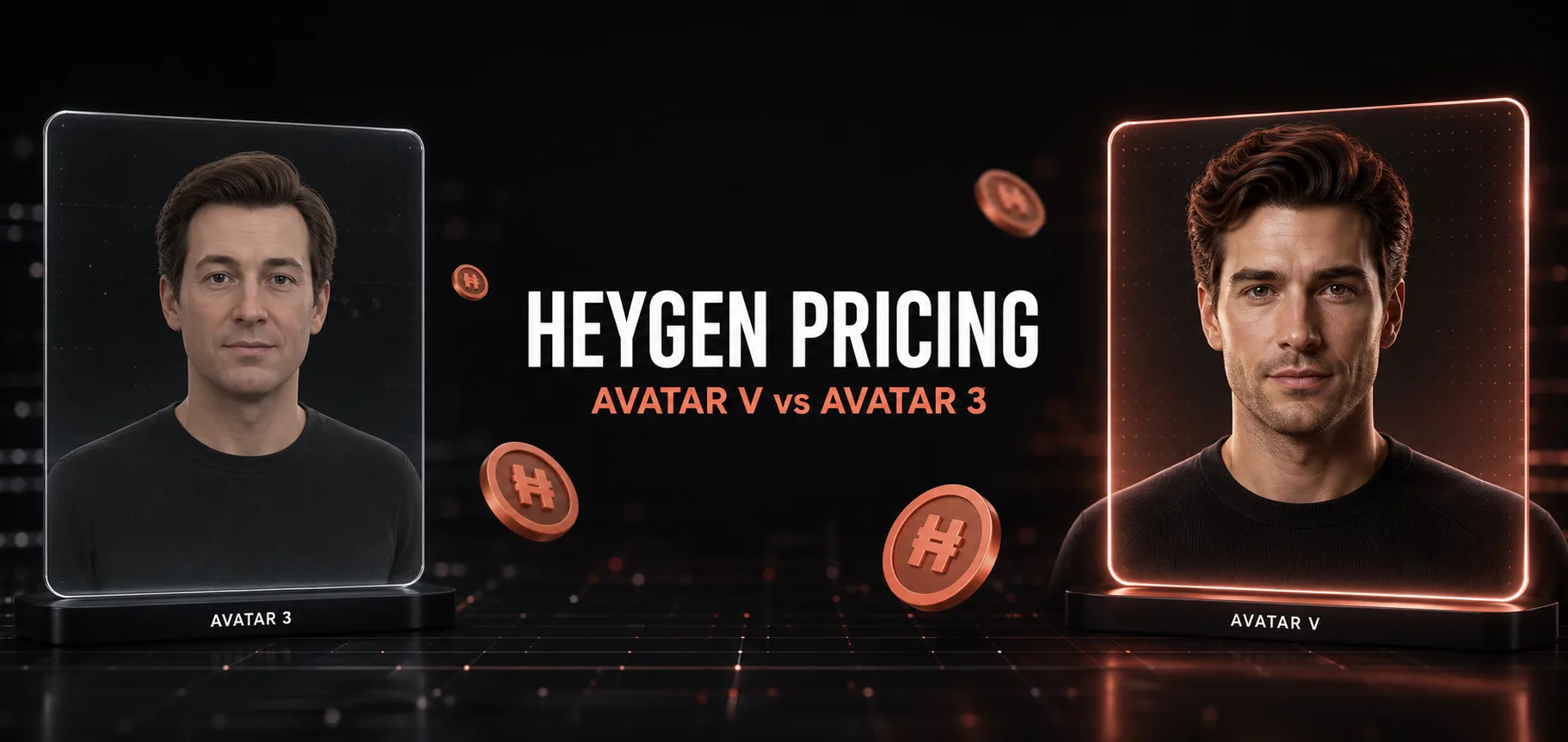
HeyGen's pricing page shows you plans. Your bill is decided by something the pricing page whispers: which avatar model you render with. Avatar 3 output barely touches your credit pool — on paid plans standard videos are effectively unlimited. Avatar V, the photoreal flagship, burns around 20 credits per minute. Same script, same platform, wildly different cost per video.
So the question in this post's title is the one that actually matters when you subscribe: not "which plan," but "which model, for which videos." Our answer up front — default to Avatar 3 for volume content and reserve Avatar V for the videos that face customers, ads, or cameras-off founders. The rest of this guide is the math and the exceptions.
Prices and credit rates below reflect mid-2026 at the time of writing; HeyGen adjusts them periodically, so confirm against the live pricing page before committing. For the platform itself, our full HeyGen review covers features; this post is strictly the money.
HeyGen Plans at a Glance
| Plan | Price | What you get | Best for |
|---|---|---|---|
| Free | $0 | 3 videos/month, watermarked | Testing the product |
| Creator | $29/month | Unlimited standard videos + ~200 credits/month | Solo creators, steady output |
| Pro | $99/month | Larger credit pool + advanced features | Regular premium-avatar work |
| Business | $149/month + $20/seat | 4K rendering, custom avatars, SSO | Teams and brand work |
| Enterprise | Custom | Volume credits, API scale, compliance | Pipelines and localization at scale |
The pattern to notice: every tier is really selling two things — an unlimited lane (standard Avatar 3 videos) and a metered lane (credits for premium actions). Whether a plan is generous or stingy for you depends entirely on which lane your content lives in. We covered how HeyGen landed on this credit model — and why legacy-plan holders should be careful switching — in our breakdown of the 2026 pricing change.
Avatar 3 vs Avatar V: What You're Actually Choosing Between
Avatar 3 is the previous-generation model: clean lip-sync, natural-enough delivery, the talking-head quality that carried HeyGen to prominence. It reads as "professional presenter video." Viewers who aren't looking for tells generally don't find them, especially at course/tutorial pacing and smaller embed sizes.
Avatar V is the current flagship (the successor line to Avatar IV): micro-expressions, natural head movement, emotional range, and photorealism that survives full-screen vertical video. On short-form content it is, bluntly, indistinguishable from filmed talent — this is the generation that made AI avatars viable for YouTube-facing content.
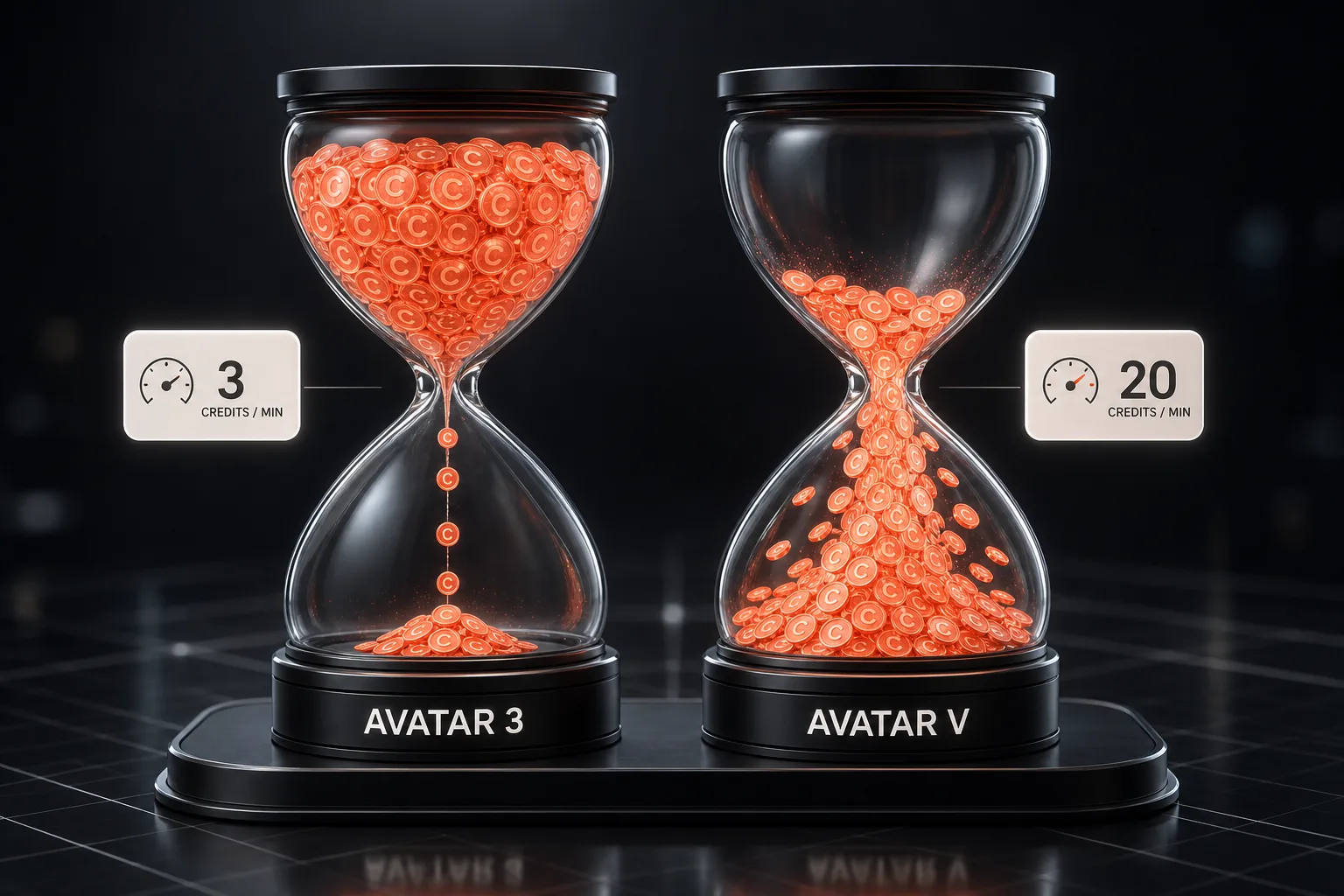
The quality gap is real. So is the price gap:
The Credit Math That Decides Everything
| Action | Approx. cost | On Creator (200 credits/mo) |
|---|---|---|
| Avatar 3 video | Unlimited on paid plans | Effectively free, all month |
| Avatar IV / V video | ~20 credits per minute | ~10 minutes per month |
| Video translation | Credits per minute per language | Multiplies fast across languages |
| Extra credit pack | ~$15 per 300 credits | ~15 extra Avatar V minutes (~$1/min) |
| Avatar V via API | $0.05/second ($3/min) | Separate from subscription credits |
Read that middle row again: on the $29 Creator plan, the included credits buy roughly ten minutes of Avatar V per month. If you publish two 5-minute premium videos, you're done — while the same plan would have rendered unlimited Avatar 3 versions of every video you could script. That 6–7x credit multiplier between generations is the entire pricing decision, and it's why "should I use V for everything?" is almost always the wrong frame.
When Avatar V Is Worth Every Credit
- Paid ads. When you're spending real money on distribution, creative quality is the multiplier on the whole budget. A 60-second ad costs ~20 credits; the media spend behind it costs a thousand times that. This is the last place to economize — it's why V dominates in the AI UGC ads workflows we've profiled.
- Founder and personal-brand clones. If the avatar is you, uncanny costs trust. Instant Avatar clones rendered on the flagship model are the difference between "wait, is that AI?" and nobody asking.
- Hero content. The homepage video, the launch announcement, the keynote clip — anything watched full-screen by people deciding whether to pay you.
- Short-form vertical. Faces fill the frame on TikTok/Reels/Shorts; Avatar 3's tells show at that size, V's don't.
When Avatar 3 Is the Smarter Spend
- Course and training libraries. Forty modules at ten minutes each is 400 minutes — 8,000 credits on V, or free on 3. Learners care about clarity and pacing, not micro-expressions.
- Internal comms and documentation. Nobody churns off your onboarding video because the blink rate was subtly wrong.
- Drafts and script iteration. Render every draft on 3; upgrade the final cut to V once the script is locked. Iterating on V is the fastest way to vaporize a credit pool.
- High-frequency series content. Daily news-style updates, weekly product changelogs — volume formats live in the unlimited lane by design.
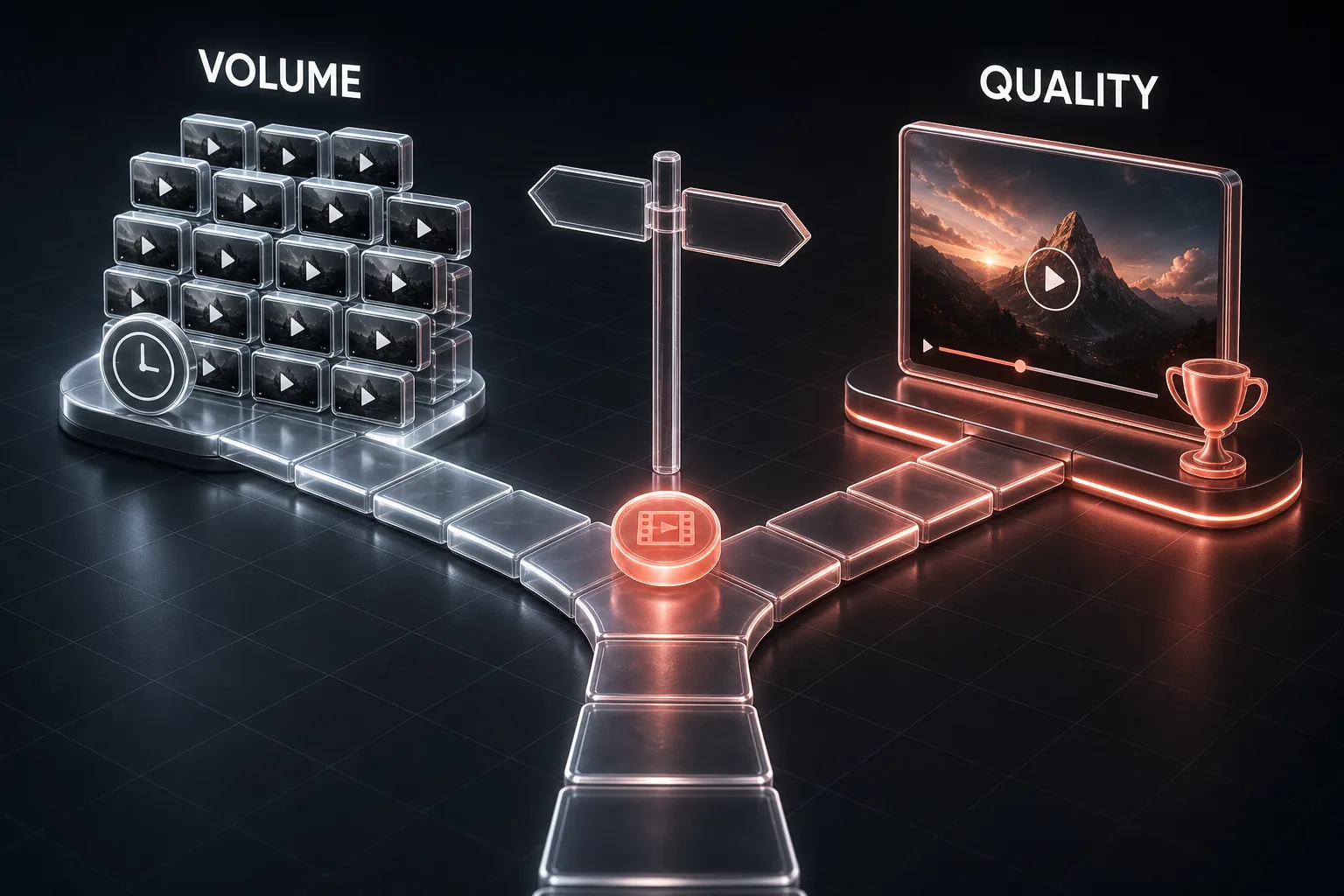
The Decision Framework
| If the video… | Render on |
|---|---|
| Carries ad spend or sits on a landing page | Avatar V |
| Represents a real person to their audience | Avatar V |
| Is vertical short-form with the face full-frame | Avatar V |
| Teaches, onboards, documents, or updates | Avatar 3 |
| Is a draft, test, or internal review cut | Avatar 3, always |
| Gets translated into 5+ languages | Avatar 3 (translation credits stack on top) |
Pro tip: Budget V-minutes like a monthly ad budget, not a rendering setting. Decide up front — "12 premium minutes this month" — assign them to specific deliverables, and let everything else default to Avatar 3. Teams that leave the model picker to whoever renders last always end March with zero credits and a queue of hero content.
Which Plan Should You Actually Buy?
- Solo creator, mostly volume content: Creator at $29. Unlimited Avatar 3 is the real product; the 200 credits are your monthly hero-content allowance.
- Creator running paid ads or client work: Pro at $99 — the bigger credit pool exists precisely for people rendering V weekly. Cheaper than Creator + repeated credit packs beyond ~2 packs a month.
- Team with brand requirements: Business at $149 + seats, for 4K, custom avatars, and SSO — the credit math doesn't change, the governance does.
- Localization or API pipelines: Enterprise, where per-minute API pricing ($3/min for V) and volume credits get negotiated rather than shelf-priced.
And if the credit model itself is the dealbreaker — you want photoreal quality with flat pricing — that's a legitimate reason to shop the field: our best HeyGen alternatives roundup compares ten of them, including Hedra for character-driven work.
Mistakes That Burn Credit Pools
- Iterating scripts on Avatar V. Five drafts of a 3-minute video is 300 credits before the final render. Draft on 3, finalize on V.
- Translating premium renders by default. Translation costs stack per language per minute — a 10-language rollout of a V video multiplies an already-premium cost. Localize the volume version unless the market justifies more.
- Buying credit packs monthly instead of upgrading. Two or three $15 packs every month means the next tier was already cheaper — packs are for spikes, not baseline.
- Switching off a legacy plan casually. If you hold a pre-2026 plan, unlimited-lane generosity was better then; read this before migrating, because you usually can't go back.
The Verdict
Avatar V over Avatar 3? For the handful of minutes each month where quality converts — ads, your own face, hero content — yes, without hesitation; 20 credits a minute is cheap against what those videos do. For everything else, the correct answer is the one HeyGen's own pricing quietly encodes: the unlimited Avatar 3 lane is the best value in AI video right now, and the discipline to keep volume content in it is what makes a $29 plan feel enterprise-sized.
Choose the plan by your V-minutes, not your total minutes. Most creators discover they need far fewer than they feared.
Keep Reading
The rest of our HeyGen coverage: the full HeyGen review, the 2026 pricing change explained, 40+ Hyperframes editing prompts, and the best HeyGen alternatives. Or browse all guides and prompts on PromptsRush.
Frequently Asked Questions
9 questions answered