Cinematic & FilmCinematic Character Variations
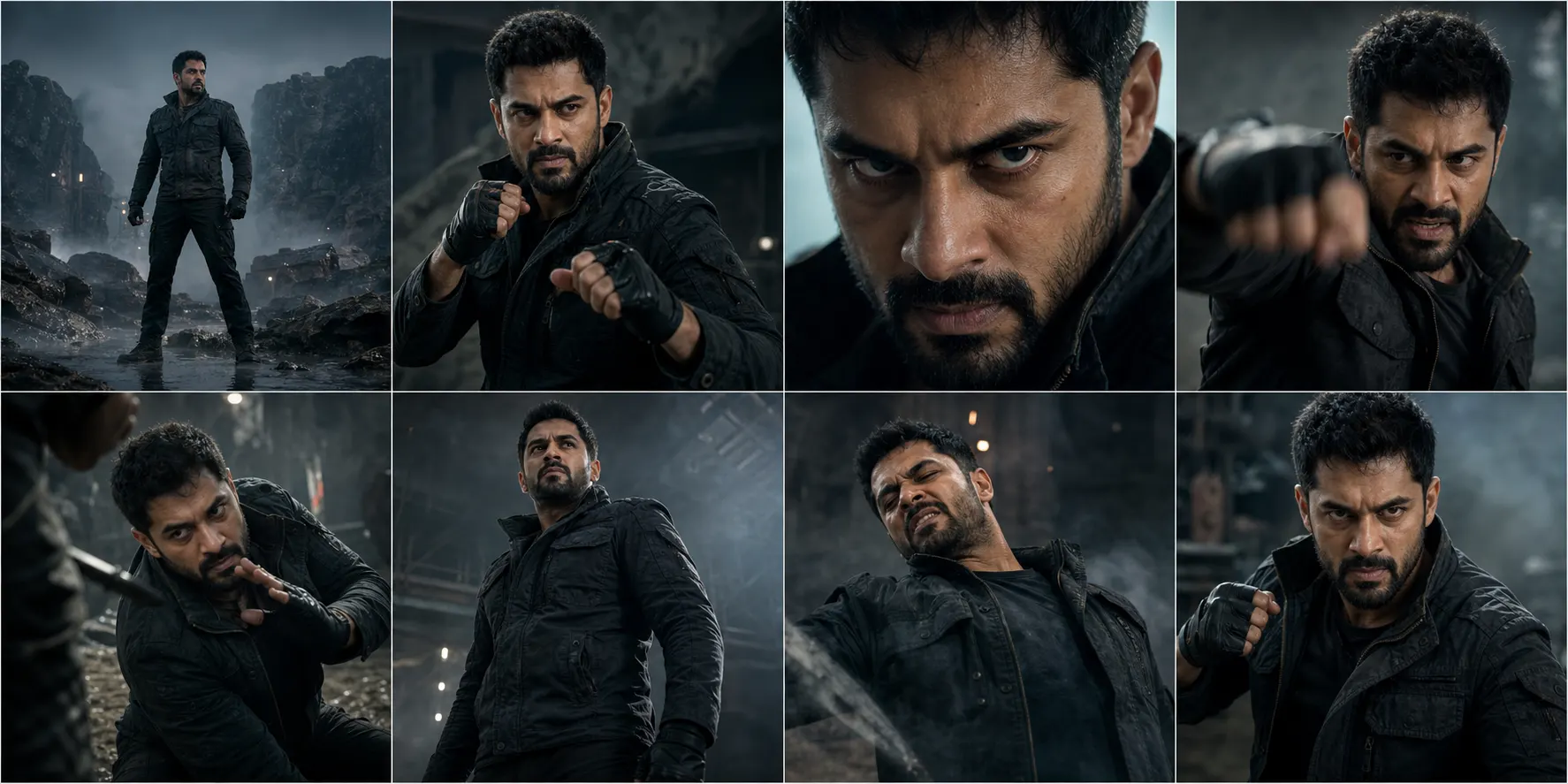
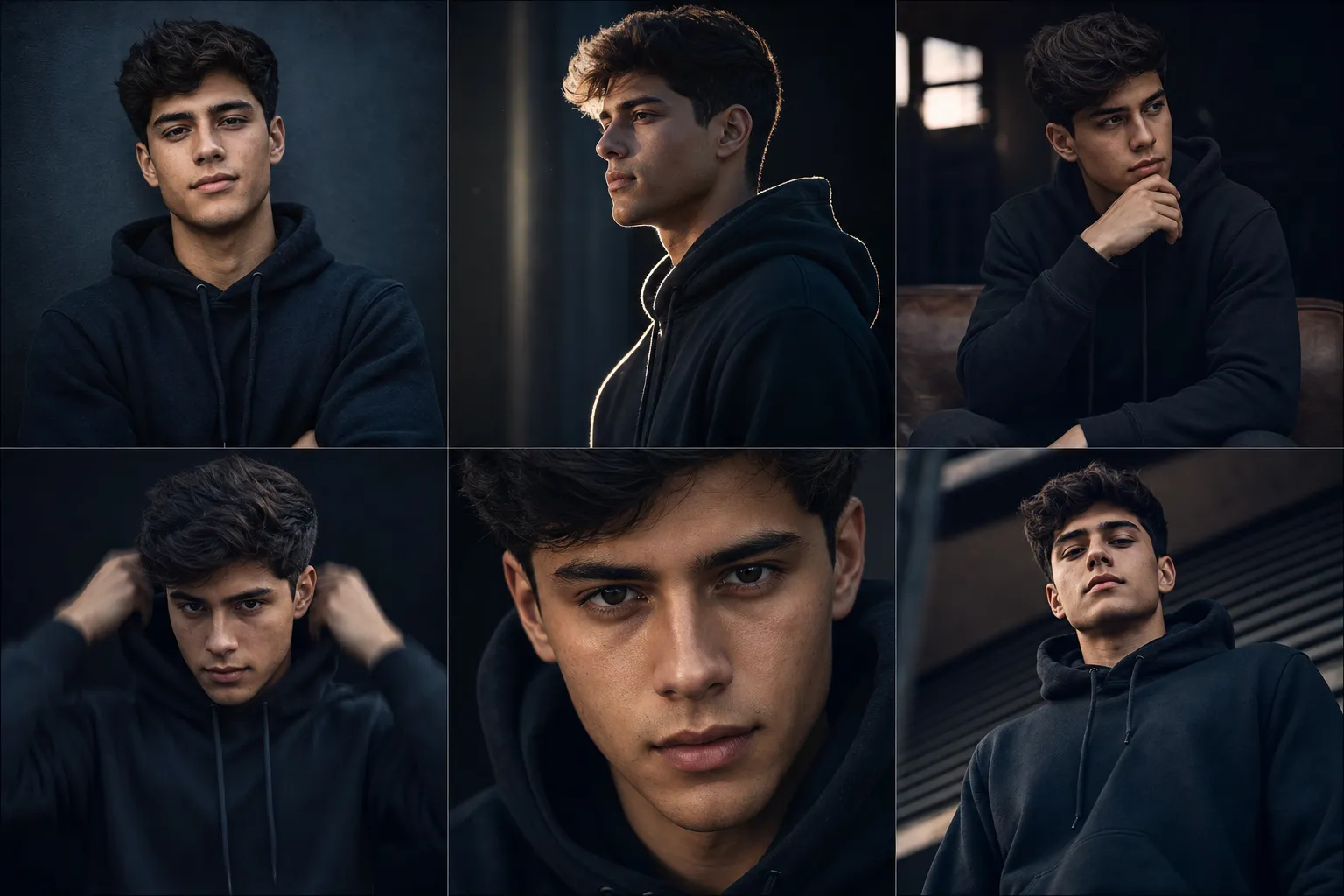
This template generates multiple highly creative, cinematic image variations using one consistent character identity derived from a single reference image. It is built for creators, influencers, and personal brands who need diverse visual content without losing recognizability. Each variation explores a different pose, angle, and emotional tone while maintaining strict continuity of face, hairstyle, clothing, and proportions. The result feels like a professional photoshoot with multiple setups, with cinematic lighting, dramatic shadows, and shallow depth of field rather than a set of unrelated images. Why the character stays consistent The prompt enforces an absolute identity lock: same face, facial structure, skin tone, hairstyle, and body proportions in every frame, with no beautification drift or redesign. It then renders six defined setups, including a front pose, a three-quarter profile with rim light, a seated introspective pose, a subtle action pose with motion blur on the body only, a tight close-up, and a low-angle stance. What you can customize Character (used if no photo is attached) — a text description of the person, used only when no reference image is supplied Outfit — the wardrobe, kept identical across every variation (default is a clean modern dark hoodie) Setting & Mood — 5 options that set the environment and lighting, such as Dark Studio, Urban Night, Warm Golden Hour, and Neon Moody Character Reference Image — an optional clear, face-visible photo that defines identity, hairstyle, clothing, and proportions Best for Profile picture sets, branding visuals, content libraries, video thumbnails, and character portfolios where consistency and polish are critical. Tips for the best results Attach a sharp, well-lit reference photo with the full face visible; it overrides the text description and gives the strongest likeness. Keep the outfit description simple and specific so it can be reproduced identically in all six frames. Pick one Setting & Mood per run; the prompt applies consistent color grading, so mixing moods belongs in separate generations. The prompt already excludes extra people, text, logos, and watermarks, so avoid adding conflicting instructions in the character field.